

Medical Travel: The Complete Guide to Getting World-Class Care Abroad
What Is Medical Travel — and Why Are Millions of Americans Doing It?
Medical travel, the practice of traveling to another country to receive healthcare, has evolved from a niche workaround into a mainstream option for millions of Americans every year. Whether you're facing a $40,000 dental restoration, a fertility journey that's draining your savings, or a cosmetic procedure your insurance won't touch, medical travel offers a compelling alternative: the same quality of care, often performed by internationally trained specialists, at a fraction of the US price. According to the Medical Tourism Association, over 1.4 million Americans travel abroad for medical care annually, and that number continues to grow as healthcare costs at home remain out of reach for many families. This guide breaks down everything you need to know — where to go, what to expect, how much you'll save, and how to do it safely.
The appeal of medical travel goes beyond cost savings alone. Many patients report that the experience abroad is more personalized, less rushed, and paired with a genuine recovery period in a beautiful destination. Instead of squeezing a procedure between work shifts and navigating an overloaded US healthcare system, you're treated as a whole person, with time built in for healing, follow-up care, and even exploration. For millions of patients, medical travel isn't a compromise. It's an upgrade.
Why Colombia — and Bogotá in Particular — Has Become a Top Medical Travel Destination
Colombia has quietly become one of the most respected medical travel destinations in the world, and for good reason. The country is home to dozens of internationally accredited hospitals and clinics, a deep pool of US- and European-trained specialists, and a healthcare infrastructure that rivals many developed nations. Bogotá, Colombia's capital, is the beating heart of this medical ecosystem. The city boasts world-class facilities in cardiology, oncology, cosmetic surgery, dentistry, fertility, and hair restoration, all available at prices that make US patients do a double-take. Beyond the clinical excellence, Colombia's geographic proximity to the United States (just a 3–5 hour flight from most major US cities) makes it an especially practical choice for those who want top-tier care without crossing an ocean.
Colombia's medical community has also invested heavily in English-speaking staff, patient coordination services, and international patient departments within major hospitals. This means the language barrier that might concern first-time medical travelers is largely a non-issue. Clinics that specialize in serving international patients, like those coordinated through platforms such as MedVoyage Colombia, have streamlined every step of the process, from your initial virtual consultation to airport pickup and post-operative care. If you're exploring medical tourism in Colombia for the first time, you'll find a destination that takes international patients seriously and has built an entire infrastructure around making your experience safe, smooth, and successful.
Bogotá's Medical Infrastructure
Bogotá is home to several hospitals that hold Joint Commission International (JCI) accreditation, the gold standard for hospital quality globally. Fundación Cardioinfantil, Clínica del Country, and Hospital Universitario San Ignacio are just a few examples of institutions that meet or exceed the standards you'd expect from top US hospitals. The city also has a thriving network of specialized clinics focused on cosmetic surgery, hair restoration, dental care, and reproductive medicine, many of which cater specifically to international patients. For hair restoration patients, for instance, clinics like Amaya Hair Clinic in Bogotá have built stellar reputations among US patients seeking premium results at accessible prices.
Colombia's Growing Reputation for Specialty Care
Colombia has earned a particularly strong reputation in certain specialties that are either prohibitively expensive or hard to access in the United States. Dental care in Colombia is perhaps the most popular draw, with full smile makeovers, including veneers, crowns, and implants, costing 60–75% less than comparable US treatments. Fertility medicine is another standout, with world-class reproductive endocrinologists offering IVF cycles and donor egg programs that are a fraction of American prices. Fertility treatments in Colombia have helped thousands of US couples build their families without taking out second mortgages. Hair transplant surgery, cosmetic procedures, and orthopedic care round out the most commonly sought treatments.
Medical Travel Costs: What You'll Actually Save vs. US Prices
Let's talk numbers, because for most people, the financial reality of medical travel is what makes it worth considering. In the United States, a single dental implant averages $3,000–$5,000. In Colombia, the same procedure from a JCI-accredited clinic runs $800–$1,500, including the implant, crown, and follow-up care. A full set of porcelain veneers (10 teeth) that would cost $20,000–$30,000 in the US can be completed in Bogotá for $4,000–$8,000. IVF treatment in the US averages $15,000–$25,000 per cycle; in Colombia, it typically runs $5,000–$9,000, often including medication and embryo freezing. Hair transplant surgery is another striking example: a 3,000-graft procedure that costs $12,000–$18,000 in the US can be performed in Colombia for $3,000–$6,000 by equally qualified surgeons. For a deeper look at one popular procedure, check out this breakdown of hair transplant cost in Colombia.
When you factor in flights, accommodations, and local transportation, US patients still typically save 50–70% on the total cost of their trip compared to having the same procedure done at home. A round-trip flight from Miami to Bogotá can run as little as $250–$400. Comfortable hotel stays near top medical facilities often cost $60–$120 per night. Many clinics offer all-inclusive medical tourism packages that bundle the procedure, airport transfers, accommodation, and concierge support into a single transparent price — eliminating the guesswork and hidden fees that plague the US healthcare system. When you lay out the full picture, medical travel stops being a risky gamble and starts looking like the financially responsible choice.
Is Cheaper Always a Red Flag?
This is the question every first-time medical traveler asks, and it's a fair one. In Colombia, the lower cost of care isn't the result of cutting corners on training, equipment, or safety standards. It reflects a fundamentally different cost-of-living and healthcare economy. A top-tier oral surgeon in Bogotá earns a very comfortable living charging $1,200 for an implant that would cost $4,500 in New York, simply because operating costs, malpractice insurance, and overhead expenses are dramatically lower. The surgeons themselves often trained at American or European universities and return home to practice. The technology is the same. The protocols are the same. The outcomes are comparable. The savings come from geography, not from shortcuts.
What to Expect: The Medical Travel Process from Start to Finish
The medical travel process is more organized and manageable than most first-timers expect, especially when you work with a dedicated patient coordination service. It typically begins weeks or even months before you board a plane. You'll start with an online consultation, sharing your medical history, relevant records, and photos or scans with the clinic or coordination team. They'll review your case, answer your questions, and provide a detailed treatment plan and cost estimate. This phase is crucial: it allows you to compare options, ask hard questions, and feel genuinely informed before committing to anything. A good coordinator, like the team at MedVoyage, will help you navigate this process without pressure and at your own pace.
Once you've decided to move forward, the logistics fall into place quickly. Most procedures require a stay of 5–14 days in Colombia, depending on complexity. You'll arrive, typically be met at the airport by a clinic representative or driver, settle into your accommodations, and complete any final pre-operative assessments before your procedure. Recovery time varies, dental work may allow you to fly home within a few days, while hair transplants or more involved surgical procedures may require 7–10 days of in-country follow-up. Throughout the process, you'll have access to your medical team for questions and support. Many clinics provide a dedicated point of contact who speaks English and is available around the clock during your stay. Once home, your Colombian providers typically remain reachable for virtual follow-ups as your recovery continues.
How to Choose the Right Clinic and Avoid Common Pitfalls
Choosing the right clinic is the single most important decision you'll make as a medical traveler, and it deserves careful thought. The first thing to look for is accreditation, specifically Joint Commission International (JCI) accreditation or national-level certifications from Colombia's health ministry (known as habilitación). Accreditation isn't a guarantee of perfection, but it is a meaningful signal that a facility meets rigorous safety and quality standards. Beyond accreditation, look for clinics that have a dedicated international patient program, one that includes English-speaking staff, transparent pricing, clear communication protocols, and verifiable patient testimonials from international clients. Ask for before-and-after portfolios, surgeon credentials, and specific outcome data for your procedure.
It's equally important to be cautious of deals that seem too good to be true. Unusually low prices, significantly below what comparable accredited clinics charge, can sometimes signal unregulated facilities, underqualified providers, or shortcuts in materials and aftercare. Reputable platforms like MedVoyage vet their partner clinics rigorously, ensuring that every provider in their network meets clinical, ethical, and patient experience standards. When you're exploring the best medical tourism destinations and specific clinics, don't hesitate to ask detailed questions. A trustworthy provider will welcome scrutiny. If a clinic is evasive about credentials, pricing, or what's included in your care, that's a red flag worth heeding.
If you're considering a hair transplant in Colombia, for example, you'll want to confirm the surgeon's specific experience with your hair type, the technique being used (FUE vs. FUT vs. DHI), the number of grafts being planned, and what post-operative care is included. The same rigor applies to any procedure. Don't let the excitement of savings override the diligence that good healthcare decisions always require. Ready to get started? Schedule a free consultation with our MedVoyage team to get personalized guidance for your specific situation.
Frequently Asked Questions About Medical Travel
Is medical travel safe for US patients?
Medical travel is safe when it's done with the right preparation and the right providers. Colombia, in particular, has invested significantly in meeting international healthcare standards, and many of its top clinics hold JCI accreditation, the same certification that elite US hospitals seek. The key to a safe experience lies in thorough vetting: researching your provider's credentials, understanding what your procedure involves, having a clear plan for follow-up care both in-country and at home, and working with a reputable coordination service that screens clinics on your behalf. The risks of medical travel are real but manageable, just as they are with any healthcare decision. The majority of US patients who travel for care in Colombia report positive outcomes and high satisfaction, particularly when they use structured coordination services like MedVoyage that prioritize patient safety above all else.
What happens if something goes wrong after I return home?
This is one of the most common concerns among first-time medical travelers, and it's a wise thing to think about before you go. The honest answer is that complications can happen with any procedure, anywhere in the world, and having a plan matters. Reputable clinics in Colombia offer post-operative support via virtual consultations for weeks or months after your return, meaning your surgeon remains accessible. Most complications, if they arise, present within the first days or weeks of recovery, while you're still in Colombia and near your care team. For more complex scenarios, you should identify a US-based physician before you travel who can provide follow-up care if needed. Many coordination services, including MedVoyage Colombia, help facilitate this handoff. Travel insurance that covers medical complications abroad is also a smart investment, several reputable providers offer policies specifically designed for medical travelers.
How do I know if I'm a good candidate for medical travel?
Most healthy adults who need elective or planned procedures are good candidates for medical travel. The best candidates are those who have done their research, have a clear diagnosis or treatment plan, are in stable overall health, and have the flexibility to spend 1–2 weeks abroad. Medical travel is generally less suitable for emergency situations, highly complex multi-specialist care, or patients with serious underlying health conditions that require ongoing management by a local care team. The best first step is a frank conversation with both your US doctor and a medical travel coordinator. Share your health history honestly, ask about any contraindications to traveling for your specific procedure, and get a second opinion if needed. MedVoyage's Colombia team includes clinical advisors who can help assess whether your situation is a good fit for care in Colombia, with no obligation and no pressure.
Your Next Step Toward Affordable, High-Quality Care
Medical travel is no longer a last resort or a leap of faith, it's a carefully structured, increasingly mainstream option that's helping US patients access world-class care at prices that make sense. Whether you're planning dental work, a hair transplant, fertility treatment, or a cosmetic procedure, Colombia offers the clinical excellence, logistical support, and cost savings to make your journey worthwhile. The key is going in informed, working with people you trust, and taking the time to plan thoughtfully.
Ready to explore your options? Schedule a free consultation with our MedVoyage team — we'll answer all your questions and help you plan your medical journey to Colombia with confidence.
Disclaimer: This content is for informational purposes only and does not constitute medical advice. Always consult with licensed medical professionals before making healthcare decisions.
Share this article
Related Articles

Best Places for Medical Tourism in 2026: Top Destinations for Affordable World-Class Care
Discover the world's top medical tourism destinations where US patients save up to 70% on procedures without compromising quality. From Colombia to Thailand, find out which country is right for you.

Medical Vacations: How to Combine World-Class Healthcare with Travel in 2026
Discover how medical vacations let you access affordable, high-quality healthcare abroad while exploring stunning destinations. Your complete guide to planning a seamless medical trip.
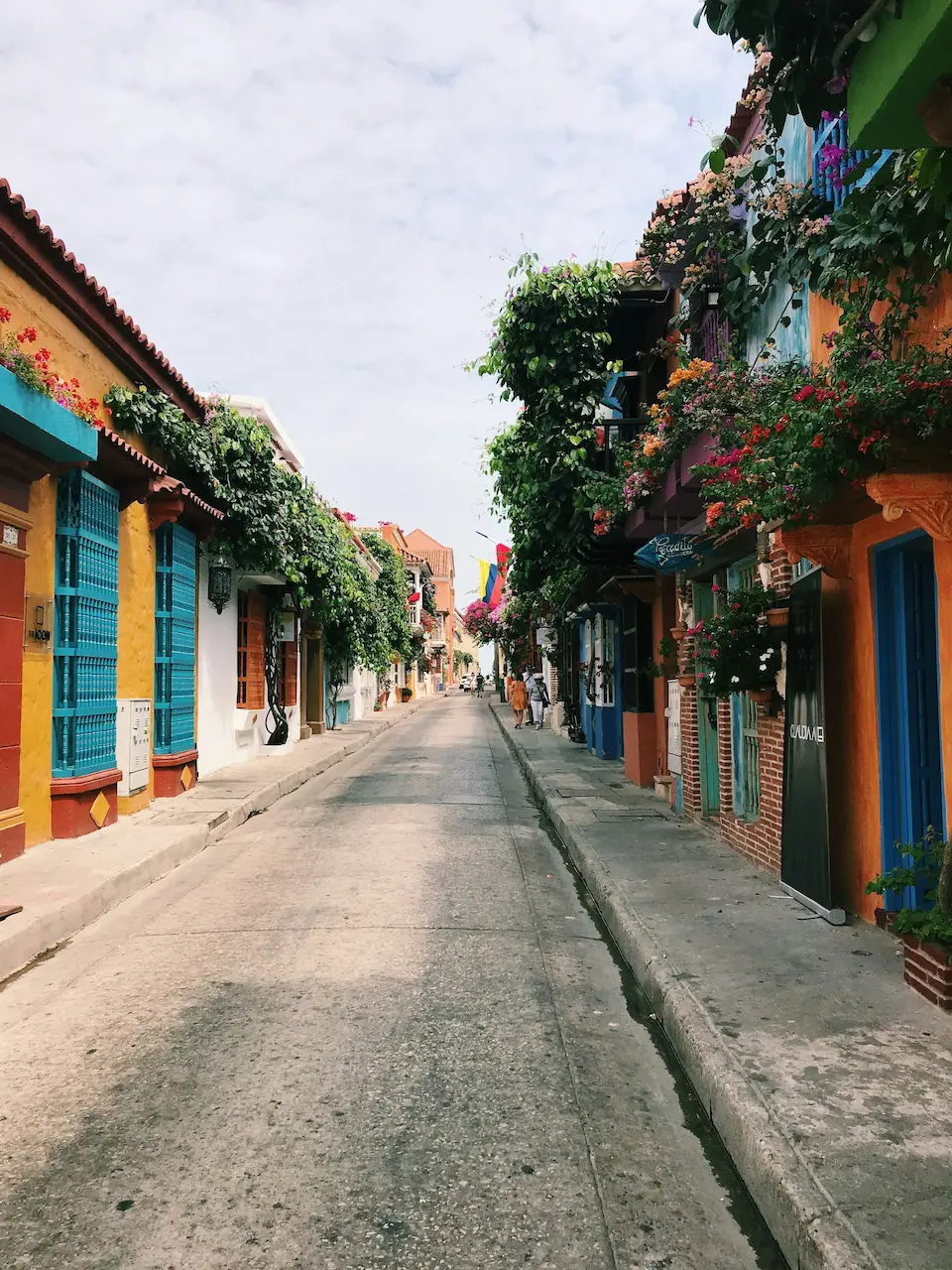
Best Medical Tourism Destinations in 2026: Top Countries for Affordable World-Class Care
Discover the world's top medical tourism destinations offering high-quality care at a fraction of the cost. From Colombia to Thailand, find out where patients are traveling for treatment in 2025.
Ready to Explore Your Options?
Book a free consultation with our team to discuss your medical tourism journey to Colombia.